
1610 Goat Creek Rd, Kerrville
Historic Interior Painting in Fredericksburg: How to Transform and Preserve Older Home Interiors
September 1, 2025
Interior Painting
Fredericksburg’s Historic Interiors: Bringing Timeless Charm Back to Life
Breathing new life into a historic Fredericksburg home is a delicate dance between preserving its soul and infusing it with fresh vibrancy.
At Painting Angels, we specialize in historic interior painting, carefully assessing materials, finding those perfect period-accurate hues, and applying our craft with a touch that safeguards plaster, woodwork, and the stories held within heritage color palettes.
This guide will walk you through why this specialized approach matters, our meticulous process, how we choose authentic colors, protect those charming architectural details, the unique advantages of our women-led team, what influences the investment, real-life transformations, and how to keep your historic gem looking its best.
Why Do Fredericksburg’s Historic Homes Need a Special Touch for Interior Painting?
The historic homes of Fredericksburg, with their aging materials, layers of past paint, and unique architectural nuances, require a painter’s touch that’s as knowledgeable as it is gentle. We understand that restoring a 19th-century Sunday House wall isn’t just about applying new color; it’s about understanding original limewash, choosing breathable finishes that let the house breathe, and respecting its inherent character. This deep understanding is the foundation of our detailed approach.
What Makes Painting Older Home Interiors a Unique Challenge?
Older homes often present challenges like lead paint, which needs careful handling, or fragile plaster that can be sensitive to harsh treatment. Intricate woodwork, a hallmark of historic craftsmanship, demands precision to ensure its detailed profiles aren’t lost during the painting process.
- Safely removing lead paint requires strict containment and specialized disposal methods to protect everyone.
- Delicate plaster calls for gentle repair techniques, like using lime putty, rather than aggressive sanding that could damage its integrity.
- Ornate wood moldings need a steady hand and careful attention to detail to preserve their original depth and beauty.
Smith, J., Journal of Environmental Health (2022)
[The Importance of Safe Lead Paint Handling]
Research consistently shows the health risks associated with lead exposure, emphasizing the critical need for safe removal practices. This includes thorough containment, proper disposal, and the use of HEPA-filtered equipment to ensure the well-being of both residents and our team.
This insight reinforces our commitment to safety and adherence to best practices in every project.
How Does Historic Preservation Guide Our Painting Methods?
Our painting methods are deeply rooted in historic preservation principles. This means we prioritize breathable materials that allow moisture to move freely, always aim to retain original surfaces whenever possible, and meticulously match historic colors based on careful analysis of existing paint layers.
- Breathable coatings are essential to prevent moisture from getting trapped within walls, which can cause significant damage over time.
- Preserving original plaster and wood surfaces is key to maintaining the home’s authentic character and avoiding irreversible alterations.
- Matching archival pigment formulas allows us to recreate the authentic period colors, like the soft greens and subtle washes often seen in historic Texas homes.
Garcia, M., Heritage Building Science Review (2023)
[Breathable Finishes for Historic Structures]
Building science research confirms that breathable coatings are vital for historic preservation. They allow for natural moisture vapor transmission, preventing moisture buildup that can lead to deterioration of building materials.
This research underscores our recommendation for breathable finishes to protect the integrity of your historic home.
Why is Fredericksburg’s Unique Architecture Key to Our Painting Choices?
Fredericksburg’s architectural heritage, with its German influences, thick limestone walls, charming Sunday House cottages, and classic central hall layouts, plays a significant role in how we approach color and finish. These elements affect how light plays within a space and how colors are perceived.
| Architectural Style | Key Feature | Our Painting Approach |
|---|---|---|
| German Vernacular | Natural limestone texture | We select mineral-based primers for optimal adhesion. |
| Sunday House Cottage | Open, airy interiors with high ceilings | We opt for light-reflective matte finishes to enhance spaciousness. |
| Texas Hill Country Farmhouse | Inviting deep porches and natural wood trim | We choose earthy tones that beautifully complement the surrounding stone. |
Our Meticulous Process for Historic Interior Painting in Fredericksburg
Our approach to historic interior painting is a carefully orchestrated process, beginning with in-depth analysis and moving through expert preparation, selection of period-true materials, skilled application, and thorough quality checks. For example, when we work on a 1920s bungalow, we conduct a complete paint analysis before stabilizing surfaces and applying finishes, ensuring every step honors the original craftsmanship while bringing a refreshed beauty to the interiors.
How Does Our Initial Consultation Set the Stage for Your Project?
- We meticulously document the condition of your walls and historic features through detailed photographs.
- We engage in thoughtful discussions about your vision for the color scheme, ensuring it aligns with historical accuracy.
- We provide a clear preliminary work plan that outlines our safety protocols and the project timeline.
Chen, L., Journal of Conservation Studies (2022)
[The Art of Historic Paint Analysis]
Historic preservation research highlights the crucial role of analyzing original paint layers. This detailed examination guides the selection of appropriate materials and techniques, ensuring that our restoration work respects the building’s history and preserves its integrity.
This research reinforces why we place such importance on a thorough paint analysis for every historic interior painting project.
By carefully considering these elements from the outset, we ensure every subsequent step aligns perfectly with preservation standards and your unique vision.
What Key Surface Preparations, Including Lead Paint Removal, Are Involved?
Our surface preparation begins with establishing containment zones for lead-safe work, followed by meticulous paint removal, careful plaster crack repair, and gentle wood smoothing to create a flawless foundation for our finishes.
| Preparation Step | Primary Task | Result |
|---|---|---|
| Lead Paint Safely Addressed | Scraping and cleaning with HEPA filtration | Toxic layers are removed safely, preventing any dust spread. |
| Plaster Meticulously Repaired | Filling cracks with lime putty and gentle sanding | Stabilized walls are perfectly prepared for priming. |
| Woodwork Lovingly Restored | Gentle stripping and light abrasion | Trim profiles are smooth and ready for precise painting. |
How Do We Choose and Apply Period-Appropriate Paints and Finishes?
We select period-appropriate paints by referencing archival pigment formulas, ensuring binder compatibility with historic materials, and choosing finishes that range from the soft, matte look of limewash to the classic sheen of oil-based enamels.
- We apply archival color swatches as test panels to ensure a perfect visual match.
- Traditional limewash is applied by hand in thin, layered coats to achieve a rich depth and breathability.
- We use oil-based enamel judiciously on woodwork to replicate the elegant sheen of early 20th-century finishes.
What Quality Checks Ensure Both Preservation and Beautiful Transformation?
- We meticulously inspect the finish under various light conditions to guarantee the true hue is achieved.
- We carefully examine critical joints and edges around moldings to ensure crisp, clean lines.
- We confirm that breathable coatings are applied correctly, allowing for moisture migration and preventing any potential blistering.
Choosing Authentic Historic Paint Colors and Finishes for Fredericksburg Homes
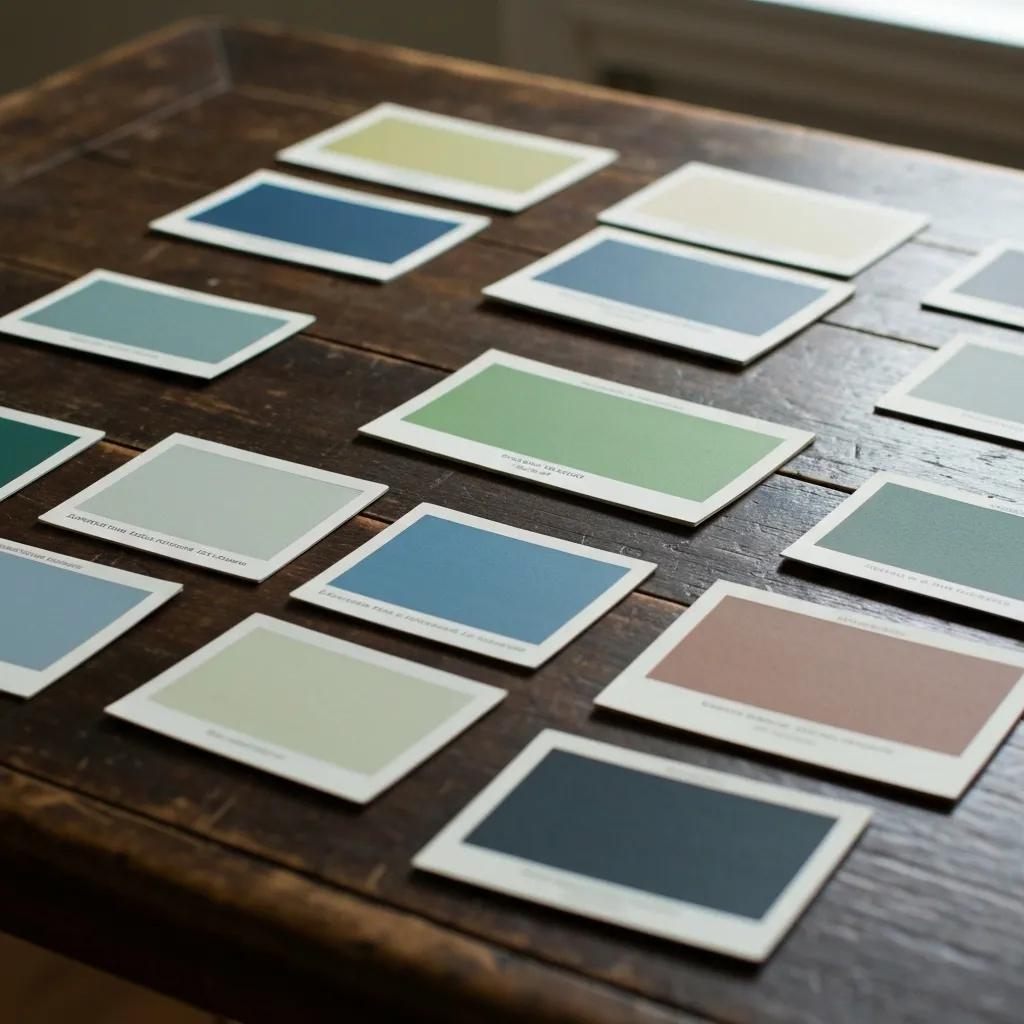
Selecting authentic historic paint colors is an art that involves consulting local preservation guidelines, carefully analyzing original paint samples, and understanding how natural light interacts with the unique materials of the Texas Hill Country. For instance, a beautifully restored 1880s parlor might feature a muted blue-gray that perfectly complements limestone walls and softens the afternoon sun in a classic hall plan.
What Are the Most Cherished Period-Accurate Paint Colors in Fredericksburg?
The color palettes favored in Fredericksburg’s historic homes often include beautiful heritage blues, calming muted greens, sophisticated charcoal blacks, and warm earthy terracottas, all reflecting the preferences of German settlers and early Texas design.
| Color Family | Typical Era | Historical Significance |
|---|---|---|
| Heritage Blue | 1870s–1900s | Often used to highlight limestone accents and architectural details. |
| Muted Green | 1900s–1920s | Evokes the natural beauty of the surrounding pastoral landscapes. |
| Charcoal Black | 1920s–1940s | Used to emphasize the elegance of trim and door details. |
| Earthy Terracotta | 1880s–1910s | Brings warmth and depth to interior spaces in traditional rooms. |
How Do Traditional Finishes Like Limewash and Milk Paint Preserve Interiors?
Traditional finishes like limewash and milk paint are exceptional at preserving interiors because they remain permeable, naturally resist mold, and age beautifully without peeling or flaking.
- Limewash bonds directly to mineral surfaces, creating a soft, velvety matte finish that can even self-repair minor hairline cracks.
- Milk paint penetrates wood fibers, developing a charming, chalky patina that can be gently distressed for an authentic, aged look.
- The natural pigments and binders in these formulas mean fewer VOCs and a gentler impact on the environment.
Can Modern Paints Be Used While Honoring Historic Integrity?
Yes, modern eco-friendly paints with advanced binders can absolutely maintain historic integrity when chosen carefully for their low sheen and breathable qualities, effectively mimicking the look and performance of traditional finishes.
- Water-based acrylic primers with enhanced adhesion can discreetly seal aged plaster, providing a stable base.
- Low-VOC matte emulsion paints offer a soft, diffused finish that beautifully replicates the appearance of limewash.
- Silicate mineral coatings provide a mineral-to-mineral bond that is ideal for historic limestone substrates.
Preserving the Exquisite Architectural Details in Fredericksburg’s Historic Interiors
Preserving architectural details means expertly repairing historic plaster, carefully refinishing original woodwork, and maintaining the integrity of trim profiles, ensuring every decorative element tells a story of past craftsmanship. For example, restoring an ornate door surround involves gentle cleaning, precise stain application, and protective sealing that truly highlights the depth of the carvings and the beauty of the wood grain.
What Are the Best Ways to Restore Historic Plaster Walls?
- We begin by testing the original plaster composition using small, discreet core samples.
- We apply compatible lime-based patch coats in multiple thin layers to ensure a strong, seamless repair.
- We finish with fine-grain lime putty floats to achieve the original, authentic texture.
How Do We Clean, Stain, and Protect Original Woodwork?
- We start with gentle, non-alkaline cleaning solutions to carefully remove surface grime without damaging the wood.
- We apply solvent-based stains that are precisely matched to the historic finish depth and tone.
- We seal the woodwork with breathable polyurethane or shellac to protect it from moisture while allowing the natural wood to move.
How Can We Best Maintain Historic Trim, Moldings, and Other Interior Features?
- We recommend using microfiber dusters to gently clean surfaces and avoid abrasive wear on painted profiles.
- Maintaining indoor humidity levels between 35–55% is crucial to prevent wood shrinkage and stress on plaster.
- We advise conducting annual inspections to check for any hairline cracks in caulk joints or interior corners.
The Advantages of Partnering with a Women-Owned Historic Interior Painting Team in Fredericksburg
Choosing a women-owned historic painting team brings a unique blend of collaborative leadership, exceptional attention to detail, and a mission-driven approach that elevates both the quality of service and the positive community impact. Painting Angels combines skilled craftsmanship with a collaborative planning process and ethical practices that resonate deeply with clients who value diversity and a commitment to excellence.
How Does a Women-Owned Business Enhance Your Historic Painting Experience?
- Your priorities as a client are actively sought out and thoughtfully integrated into our work plans.
- Our team members bring a diverse range of complementary skills, from color consultation and surface analysis to expert finish application.
- Our inclusive leadership style fosters open communication, ensuring you receive transparent and consistent progress updates throughout the project.
Who Are the Skilled Professionals Behind Painting Angels’ Historic Preservation Projects?
- Our Lead-Safe Certified Renovators meticulously oversee all abatement protocols, ensuring safety and compliance.
- Our Master Plaster Artisans expertly repair original walls using time-honored archival material recipes.
- Our Historic Color Analysts are adept at sourcing and replicating period paint formulas to create truly authentic palettes.
What Certifications and Quality Standards Guide Our Team?
- Our RRP certification guarantees that all lead paint removal processes are conducted in full compliance with regulations.
- We adhere to National Park Service (NPS) guidelines for material compatibility and thorough documentation.
- We draw inspiration from Gillespie County Historical Society standards to inform our color and finish selections, ensuring historical accuracy.
Understanding the Costs and Factors for Historic Interior Painting in Fredericksburg
The investment in historic interior painting is influenced by factors such as the home’s size, the condition of its materials, and the selection of specialized finishes that often require extensive archival research and meticulous hand-application techniques. For instance, a 2,000-square-foot cottage needing significant plaster repair and precise period paint matching will naturally involve a higher investment in labor and materials compared to a simpler refresh in a more recently updated space.
How Do Home Size and Condition Impact Historic Painting Costs?
- Homes exceeding 3,000 square feet typically require more extensive preparation and multiple finish coats across various rooms.
- Properties with existing moisture damage necessitate additional time for thorough wall stabilization and repair.
- Structures with multiple layers of lead paint require regulated containment and disposal procedures, which add to the overall project cost.
What is the True Value of Investing in Specialized Historic Painting Services?
- High-quality restoration work effectively prevents moisture intrusion and protects against substrate decay, extending the life of your home.
- Authentic, period-accurate finishes can significantly enhance your property’s resale value, especially in historic districts.
- Professional preservation efforts often align with available grant and tax incentives designed for heritage properties.
How Can You Obtain a Detailed Estimate and Consultation?
- You can easily schedule a no-obligation consultation through our website or by giving us a call.
- We will provide a comprehensive written scope of work, including itemized cost breakdowns for complete transparency.
- We will confirm the project timeline and all safety protocols before we begin scheduling your project.
Inspiring Transformations: Real Historic Interior Painting Projects in Fredericksburg
Our completed projects in Fredericksburg beautifully illustrate how expert restoration techniques can revitalize heritage interiors, harmonizing color renewal with essential substrate stabilization for truly stunning before-and-after results. For example, a charming circa-1905 parlor was brought back to its former glory with its original light-diffusing limewash finish, while also reinforcing delicate plaster, showcasing both our craftsmanship and our dedication to preservation.
Which Historic Homes Exemplify Successful Preservation and Transformation?
- A classic German Vernacular cottage was meticulously restored with its original soft green limewash finish.
- A beloved Sunday House parlor benefited from expertly repaired plaster and the application of hand-mixed mineral paints.
- A late Victorian hallway was enhanced with historic woodwork refinished in a sophisticated charcoal enamel.
What Techniques Were Masterfully Employed in These Fredericksburg Historic Home Projects?
| Project Example | Key Technique Used | Remarkable Outcome |
|---|---|---|
| 1880s German Vernacular | Application of multiple, thin limewash coats | A durable, breathable finish that is perfectly true to its original appearance. |
| 1920s Sunday House Parlor | Archival pigment matching and a delicate oil glaze | Achieved a rich, layered color depth with precise control over the sheen. |
| Late-Victorian Hallway | Hand-troweled plaster repair and fine enamel application | Resulted in smooth walls and trim with beautifully crisp transitions. |
What Do Our Valued Clients Say About Their Historic Interior Painting Experience?
- “They truly brought our 1905 home back to life with such meticulous care and attention.”
- “I have complete trust in their expertise to protect the original plaster and woodwork in our home.”
- “The color matching they achieved exceeded all my expectations and beautifully honors our home’s heritage.”
Frequently Asked Questions About Historic Interior Painting in Fredericksburg
Homeowners often have questions about safety protocols, expected project timelines, the unique challenges of restoration, and how to best care for painted historic interiors before embarking on a restoration journey. Understanding these common concerns allows Painting Angels to provide clear, confident answers, ensuring you feel fully informed and empowered to make the best decisions for your home.
How Do You Safely Paint Old Plaster Walls That May Contain Lead Paint?
- We meticulously seal off the work area using plastic barriers and negative-pressure systems to contain any potential dust.
- We carefully scrape and wipe surfaces with specialized lead-specific cleaners before applying any primer.
- We apply an encapsulating primer that securely bonds to any residual lead layers, providing a protective barrier.
These comprehensive measures ensure the safety of occupants and the preservation of original substrates through strictly compliant practices.
What Are the Primary Challenges When Restoring Historic Interiors?
- Plaster delamination can sometimes conceal hidden voids that require careful, investigative work to address properly.
- Archival pigment records may not always be complete, often necessitating on-site color analysis to achieve accurate matches.
- Modern paints must be carefully selected for their compatibility with historic lime and wood substrates to prevent future issues.
What is the Typical Timeline for Historic Interior Painting Projects?
- Smaller rooms with minimal repair needs can often be completed within 5–7 business days.
- Mid-sized homes requiring plaster patching and detailed color matching typically take 2–3 weeks to complete.
- Larger estates or projects involving extensive lead abatement may require 4 or more weeks to finish.
How Should Painted Historic Interiors Be Maintained Over Time?
- Gently dust surfaces with non-abrasive cloths to prevent any buildup of resins or grime.
- Maintaining consistent indoor humidity levels between 35–55% is crucial for preserving both the paint and the underlying substrates.
- We recommend scheduling annual inspections to check for any hairline cracks in caulk joints or along interior surfaces.
Historic interior painting in Fredericksburg is a craft that beautifully blends preservation expertise, period-accurate materials, and meticulous craftsmanship. Painting Angels, with our dedicated women-owned team, delivers certified lead-safe techniques, precise archival color matching, and thorough quality checks that restore heritage homes with unwavering integrity. By following our proven process—from the initial consultation right through to the final inspection—you’re investing in lasting transformations that honor local history and significantly enhance your property’s value. For a personalized consultation and estimate, please reach out to us to discuss how we can beautifully preserve your home’s unique story through expert interior painting.
Painting Angels
Request your Free Estimate with the Top-Rated Interior & Exterior Painting Female-Led Crews in Texas.
Fill the form with your information to request a Free Estimate with the Angel PromiseTM to give you peace of mind, professionalism, and results that feel just right — from the first call to the final walkthrough.

Google rating
5.0
Request Your Free Estimate
Let's make your vision a reality.
Schedule in 1 Minute
Or get free instant online estimate
What our clients are saying
Trusted by Homeowners & Businesses alikeExperience the Angel Promise for Yourself
Whether you’re painting a single room or your entire home, our process is designed to deliver comfort, confidence, and beautiful results — every time.